
I never promised excitement, only updates
Introspective social media post alert
There's no physical work on the loco to report this week so I'll confine myself to a social media style post about myself and my problems. Not really. The screenshots below show this afternoon's activity because it's all I've done, work on loco components continues in west Yorkshire but that's not photogenic either so you'll have to make to with this.
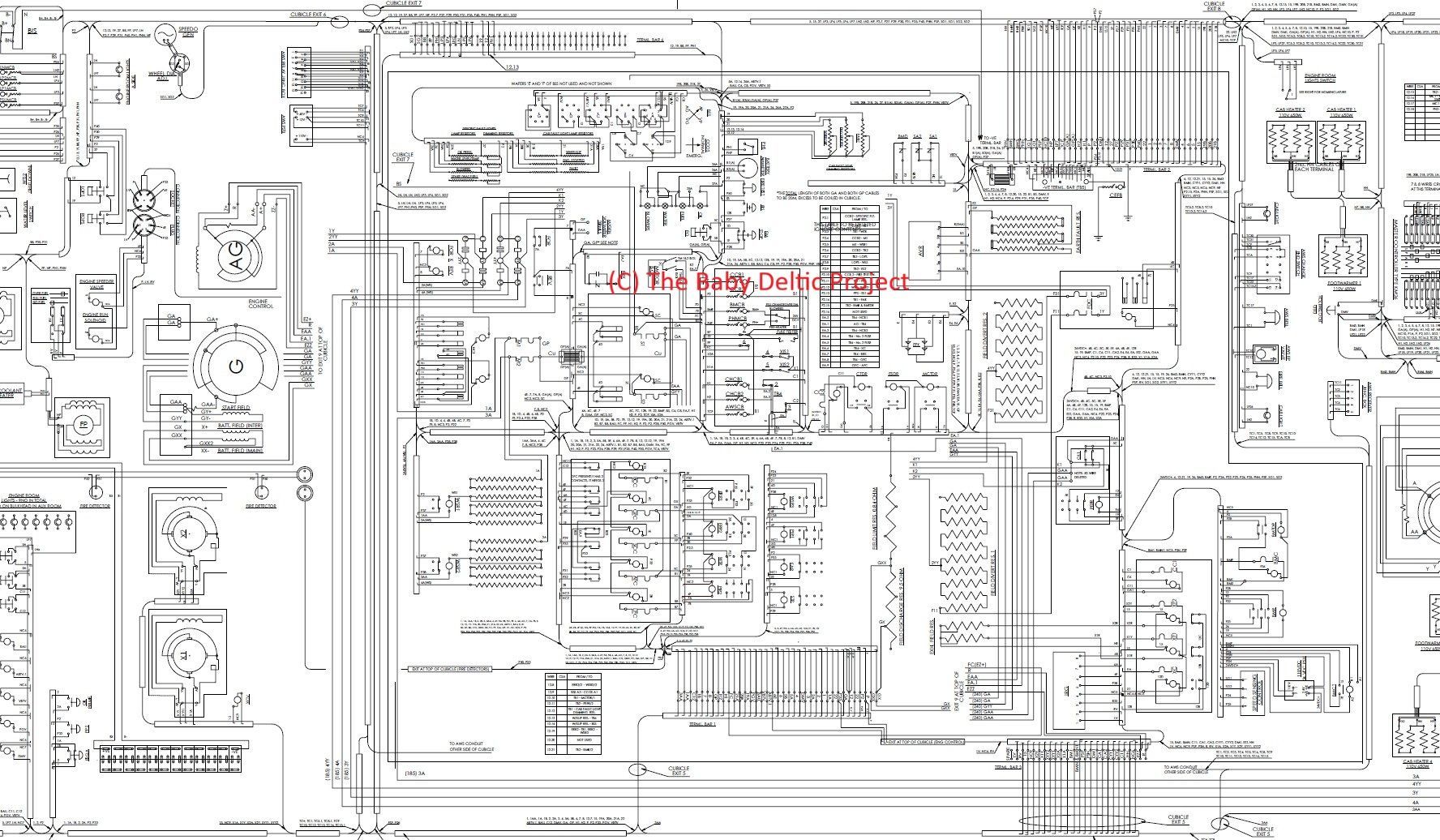
First shot is the main wiring diagram, this differs from the schematic because whereas the schematic shows the electrical circuits and is ideal for fault finding, this shows all of the cables on the loco, where they start, where they run and where they end up. It's nothing compared to the kilometres of cables on modern rail vehicles but it's enough for this one.
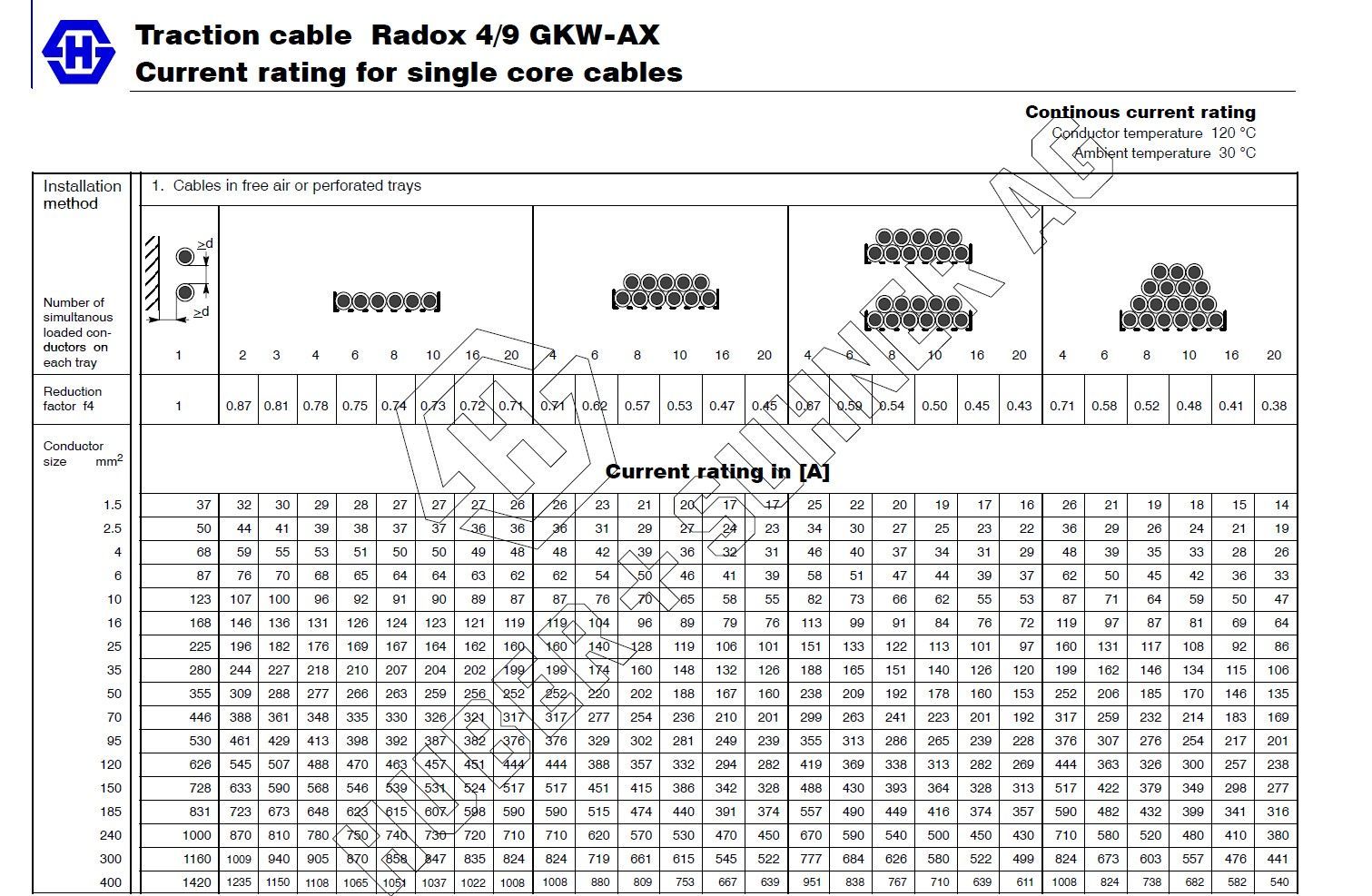
Each cable is designed to carry a defined maximum current, this is established by calculation and from there the cable size (in terms of cross-sectional area) can be determined using a table like the one below. Plenty of factors are taken into account apart from the normal O level physics P = V x A one. Ratings depend on the quantity of cables in a particular loom and how and where they are located. A cable in a conduit with 20 other cables carrying a similar load is rated much lower than a cable in free air on its own. This is why the National Grid loves pylons and hates buried cables...
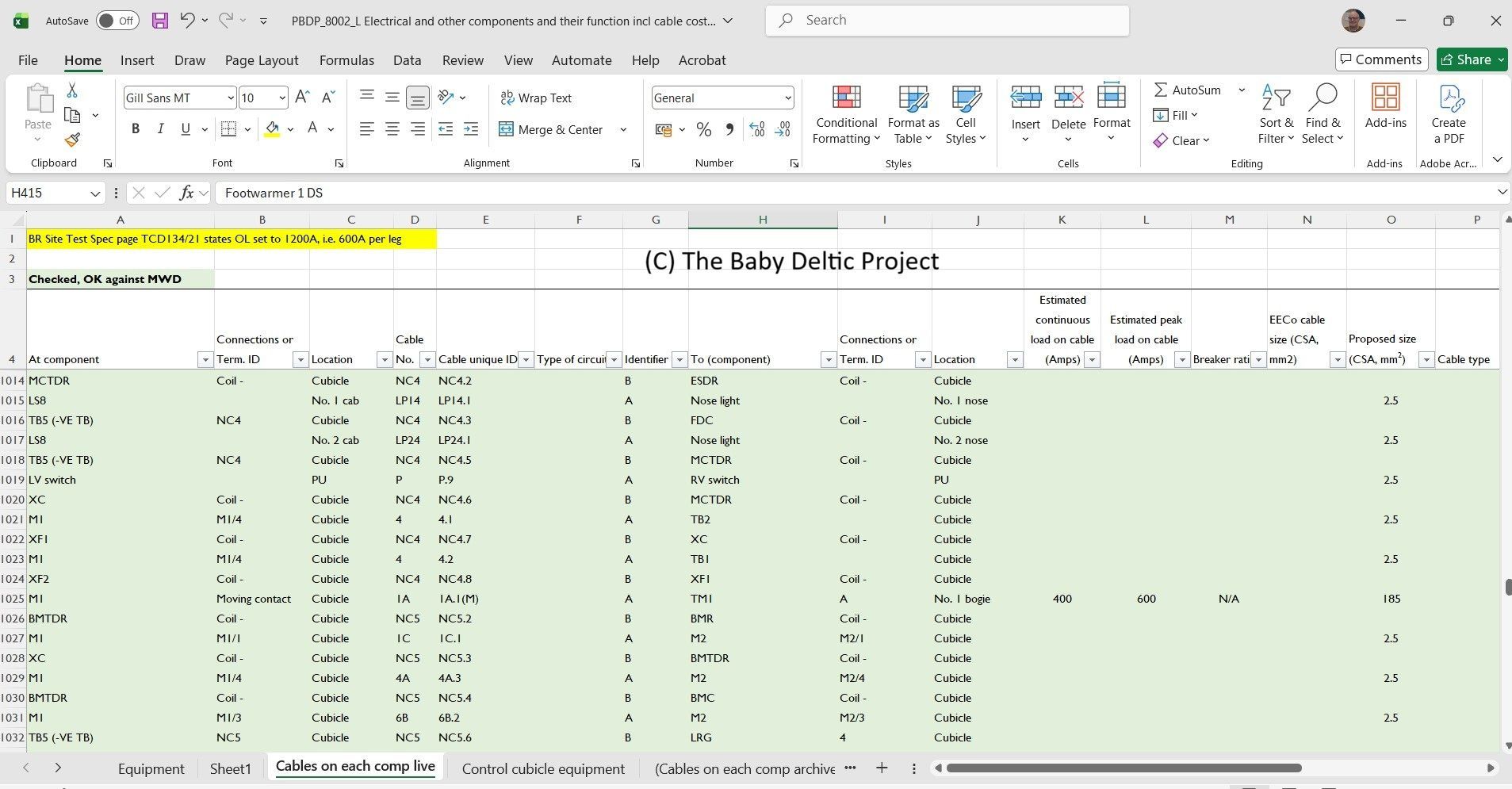
Each cable is listed (twice actually, but that's for another time) on a spreadsheet which contains the details of where it connects to at both ends, the load (peak and continuous), the cross-sectional area and an approximate length. From here we can guesstimate the cost before passing it to the supplier for final quoting.
There's a bonus thrill on our Facebook page for you - it's not really a bonus or a thrill and you probably came here from there anyway so don't fret about it.
Return to your homes and prepare for work in the morning....